Funded by the European Union. Views and opinions expressed are however those of the author(s) only and do not necessarily reflect those of the European Union or the European Education and Culture Executive Agency (EACEA). Neither the European Union nor EACEA can be held responsible for them.
Surviving in the Concrete Jungle is an Erasmus+ KA2 project that rethinks outdoor and adventure education in the context of urban life. It brings together young people and professionals from Armenia, Georgia, Germany, Italy, and Poland to explore how nature-based pedagogies can be adapted to address the social, political, and environmental realities of city spaces.
This website presents the key outputs of the project: a Digital Toolkit and a Handbook designed to support educators, youth workers, and activists in bringing outdoor learning into urban settings. These resources were co-created during two international exchanges and shaped by hands-on experiences in diverse cityscapes. Together, participants engaged with four core modules.
THE CORE MODULES
Concrete Jungle is built around four core modules that shape its identity and approach to learning. Together, they form the foundation of our activities, tools, and educational experiences, encouraging new ways to explore, understand, and transform urban spaces.
01
Nature vs. Culture / Rural vs. Urban
Challenging the separation of nature and the city, and exploring how urban environments can also be spaces for connection with the natural world.
02
Surviving in the Concrete Jungle
Gaining insights into urban challenges such as homelessness, poverty, and inequality — and exploring ways outdoor methods can foster resilience, empathy, and self-organisation.
03
The Right to the City
Examining urban design, accessibility, and environmental justice: who owns the city, who shapes it, and who is excluded?
04
How Do We Want to Live? The Utopian City of the Future
Envisioning just, inclusive, and sustainable cities through creative, collaborative exploration.
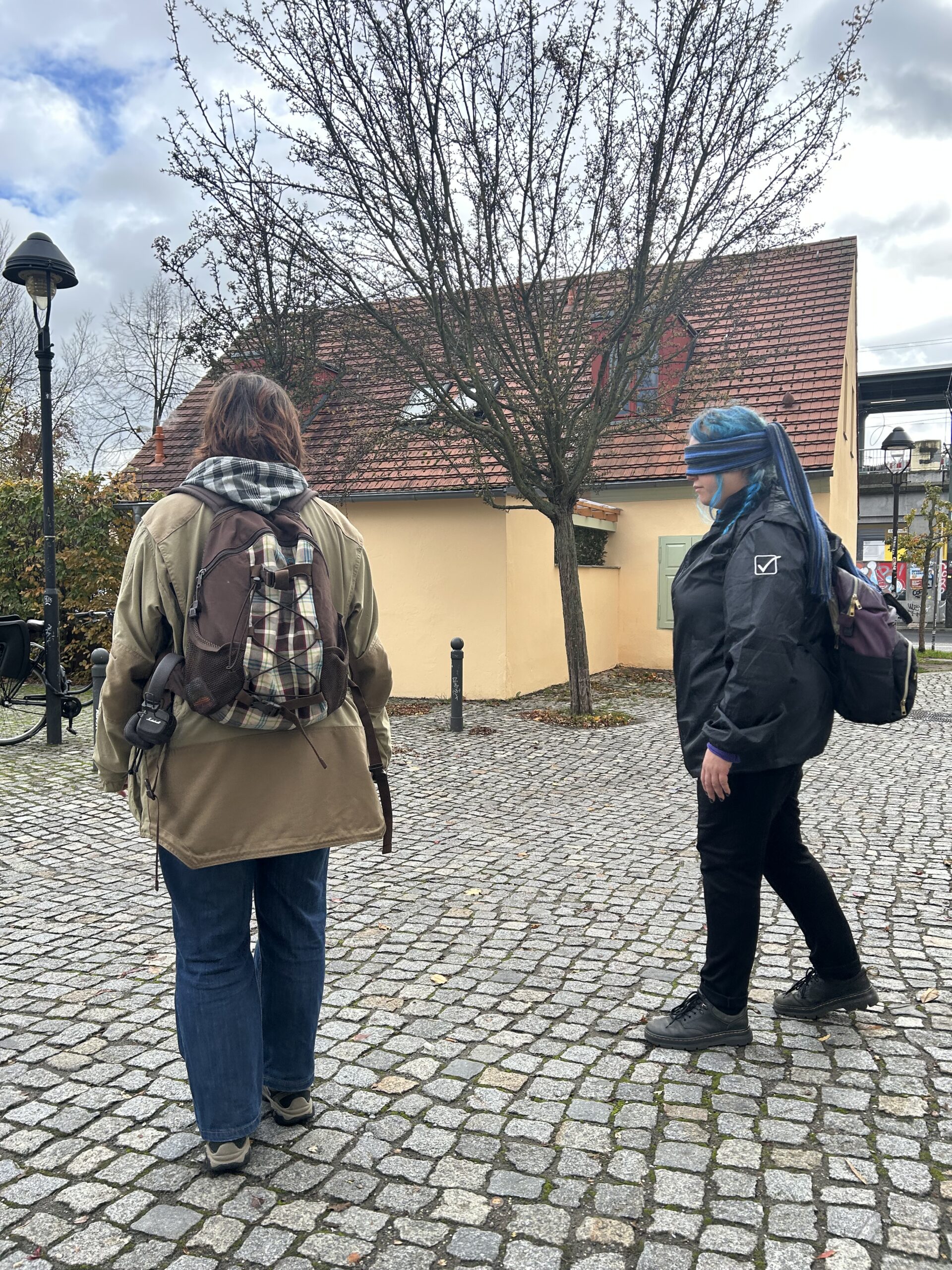
CONCRETE JUNGLE IN ACTION
Germany 🇩🇪
Poland 🇵🇱
Georgia 🇬🇪
Armenia 🇦🇲
Italy 🇮🇹
Concrete jungle TOOLKIT
A living system for rethinking outdoor education in any environment
Concrete Jungle is a map-based educational toolkit that transforms any environment — urban, rural, natural, or in-between — into a space for exploration, reflection, and learning. It is not a fixed programme. It is a living system that grows through practice, adaptation, and contribution.
This platform invites you to discover the tools, stories, and strategies developed through the project — and to use them in your own city to turn concrete spaces into places of learning, connection, and transformation.
This is not just a project—it’s a movement to reclaim spaces for connection, learning, and transformation.
Find all the Tools
How it works Using the Toolkit is simple:
Choose a tool from the map
Adapt it to your environment and group
Facilitate the experience
Reflect together with participants
Share feedback, adaptations, or new versions. Each use of the toolkit contributes to its evolution.
Tool Name
Type of space
Main Topics
Learning Outcomes
Tool Categories
CONTRIBUTE TO THE TOOL KIT
Concrete Jungle is not a finished system — it is a growing educational ecosystem.
It evolves through the experiences, ideas, and adaptations of the people who use it.
We invite educators, youth workers, trainers, and young people to contribute to its development.
Why contribution matters
Every environment changes the tool. Every group changes the experience. Every facilitator changes the outcome. By sharing your work, you help the toolkit grow and stay relevant across different contexts and cultures.
SUBMIT YOUR TOOL →